
— Alfred Tomatis —
"A vibration travels through space and encounters a human being... The entire body receives this impulse, but it is the ear that plays the greatest role in capturing the message."
The journey begins with intention: listening is an active choice.
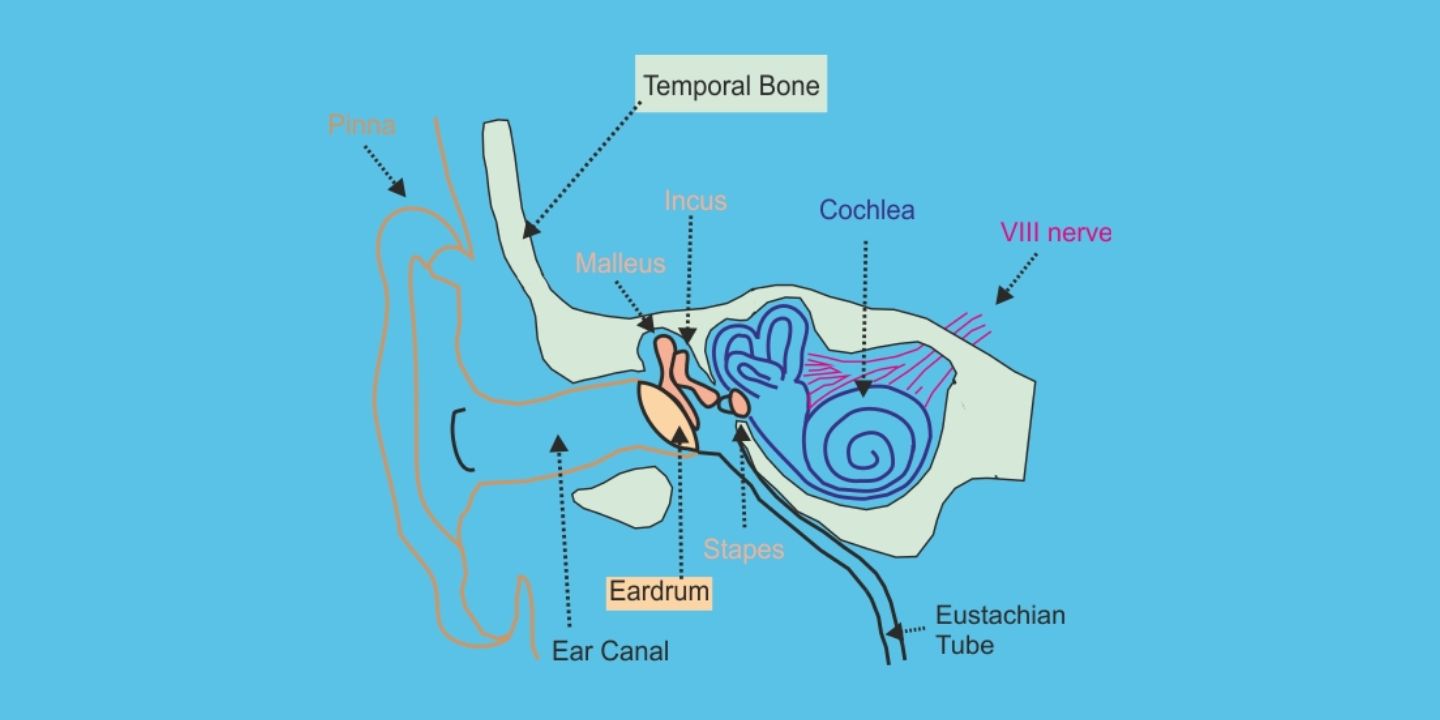
The sonic journey starts the moment a sound vibration reaches us. But true listening requires desire. If we want to listen, the ear springs into action.The outer ear (pavilion) captures the sound and signals the vestibular system (our center for balance and posture).
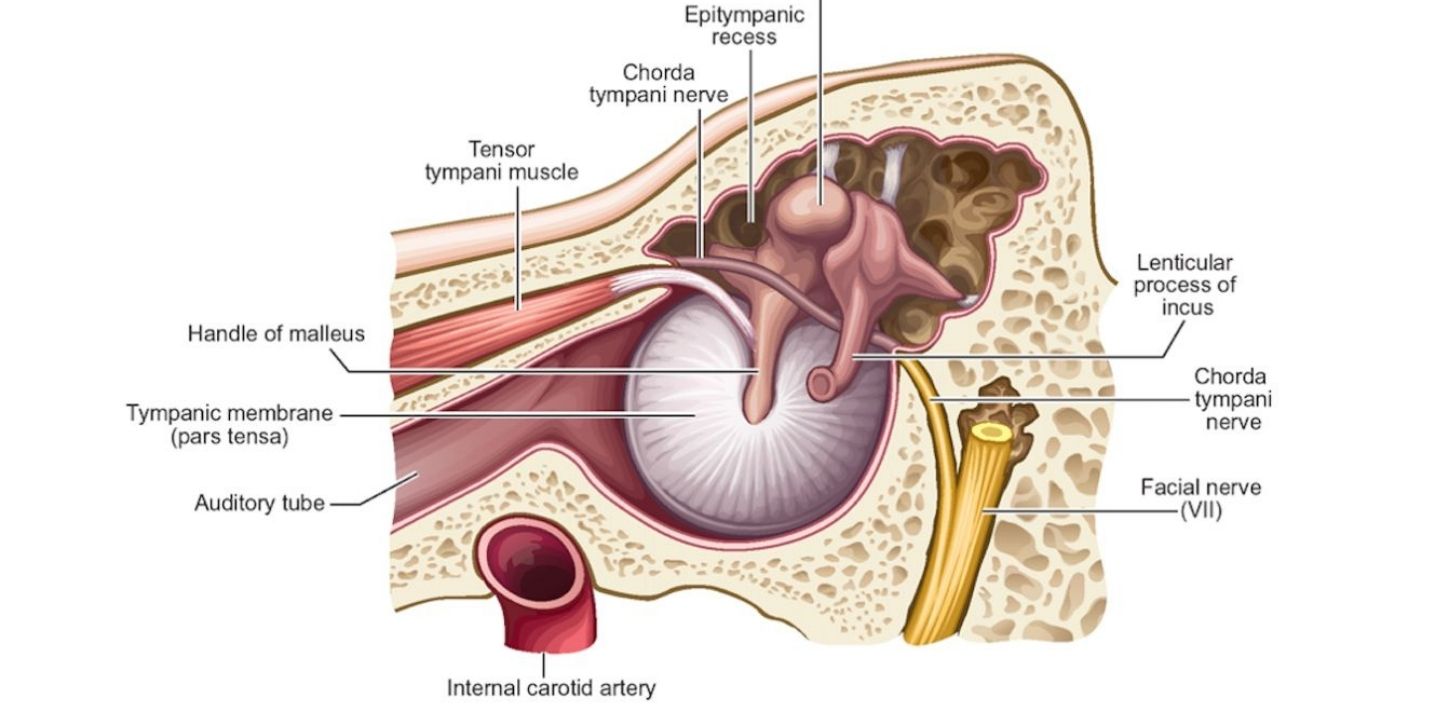
Tiny muscles—the tensor tympani and stapedius—adjust the eardrum's tension like a perfectly tuned instrument.
The ear enters a state of vigilant readiness, analyzing location, intensity, tone, and even meaning.
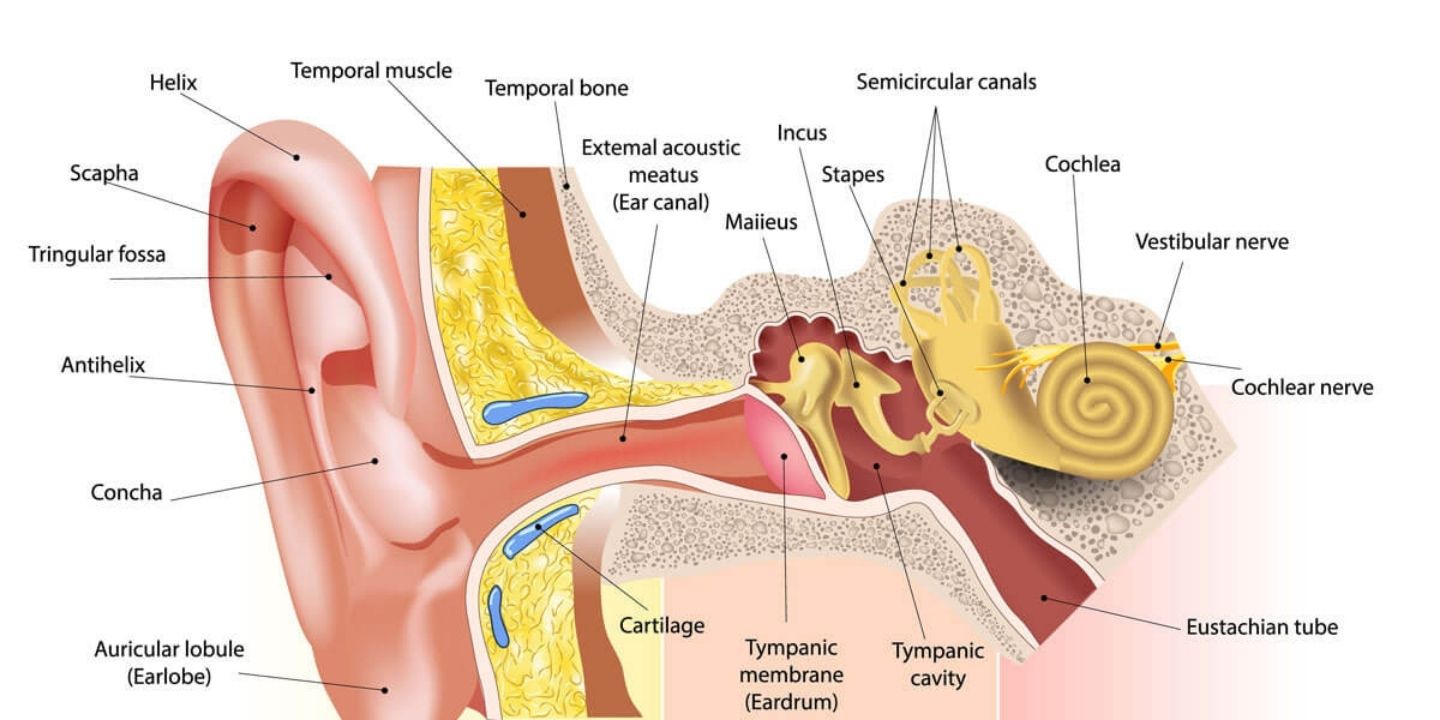
How the ear protects itself and optimizes perception at any volume.
The human ear handles an astonishing range of sound intensities with elegant auto-regulation:
Comfortable sounds (40–60 dB): The eardrum vibrates optimally, transmitting vibrations through bone to the inner ear for clear analysis.
Weak sounds: Muscles tighten the eardrum to amplify sensitivity.
Loud sounds: Muscles relax, the Eustachian tube opens, and reflexes dampen vibrations to prevent overwhelm or damage.
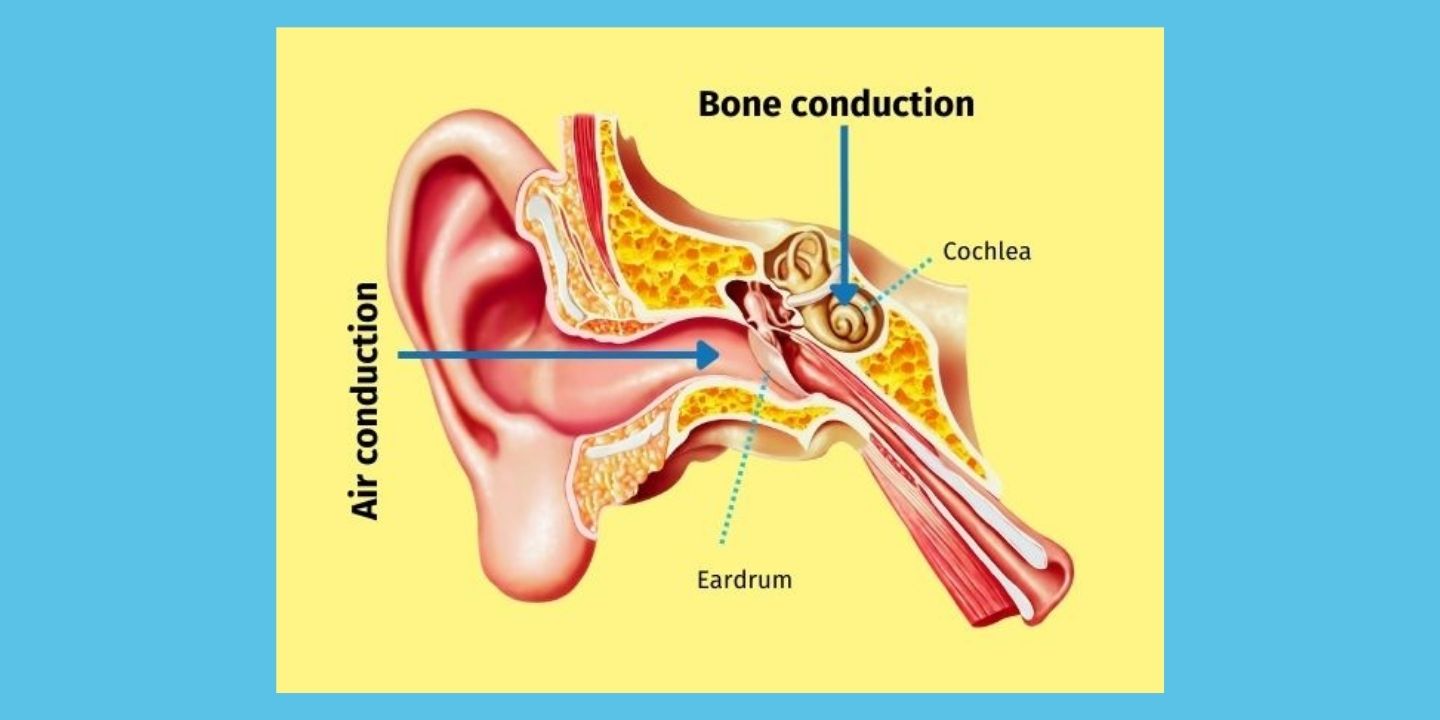
Tomatis emphasized that the skull acts like an adaptive tuning fork, making bone conduction the most efficient path.
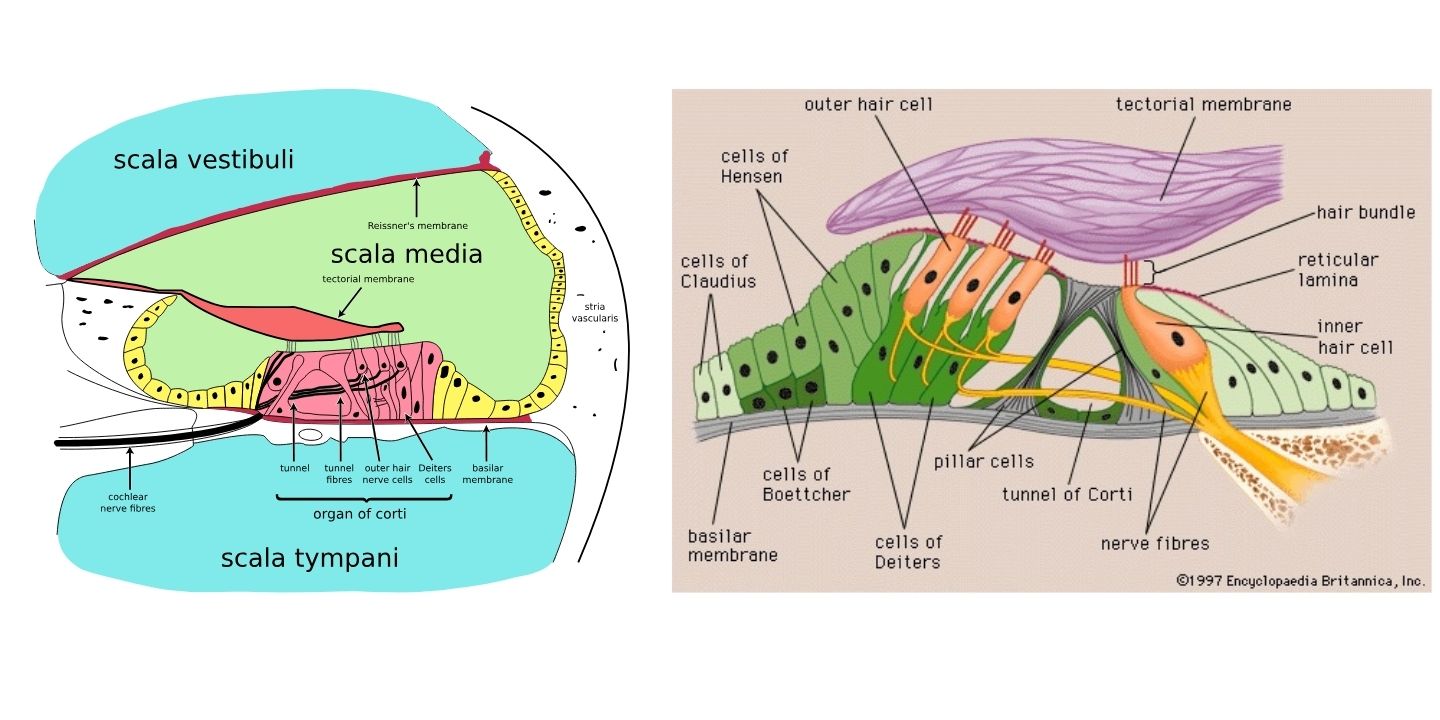
Inside the spiral masterpiece that transforms vibration into exquisite perception.
At the core of the inner ear is the cochlea—a coiled wonder.
Vibrations travel primarily through the bony spiral lamina to the nearly weightless tectorial membrane, which gently brushes the hair cells of the organ of Corti.
Tomatis challenged traditional views: he saw bone conduction as the main driver, with fluid movements acting mostly as protective damping rather than primary transmission.
Cochea cross-section and organ of Corti Close-up below:
Tomatis's revolutionary insight: bone is the primary path of true listening.
Air conduction doesn't bypass bone—it feeds into it. External sound vibrates the eardrum, which transmits directly to the skull via the ossified sulcus tympani, amplifying by ~30 dB.
This integrates with (and ideally dominates) internal bone-conducted sounds.
Optimal middle ear muscle function minimizes crosstalk from body noise, prioritizing clear external input.
Key Insight: Training these muscles (via filtered sound) restores dominance of the air-to-bone path—essential for language, energy charging, and communication.
The "charging zone" evolution tuned for human voice, energy, and posture.
Every ear structure—canal, eardrum, skull, cochlea—is harmoniously tuned to the same optimal band: 800–4000 Hz, peaking around 2000 Hz.This is the frequency range of speech harmonics, designed not just for hearing but for:
Outside this zone, efficiency drops sharply.
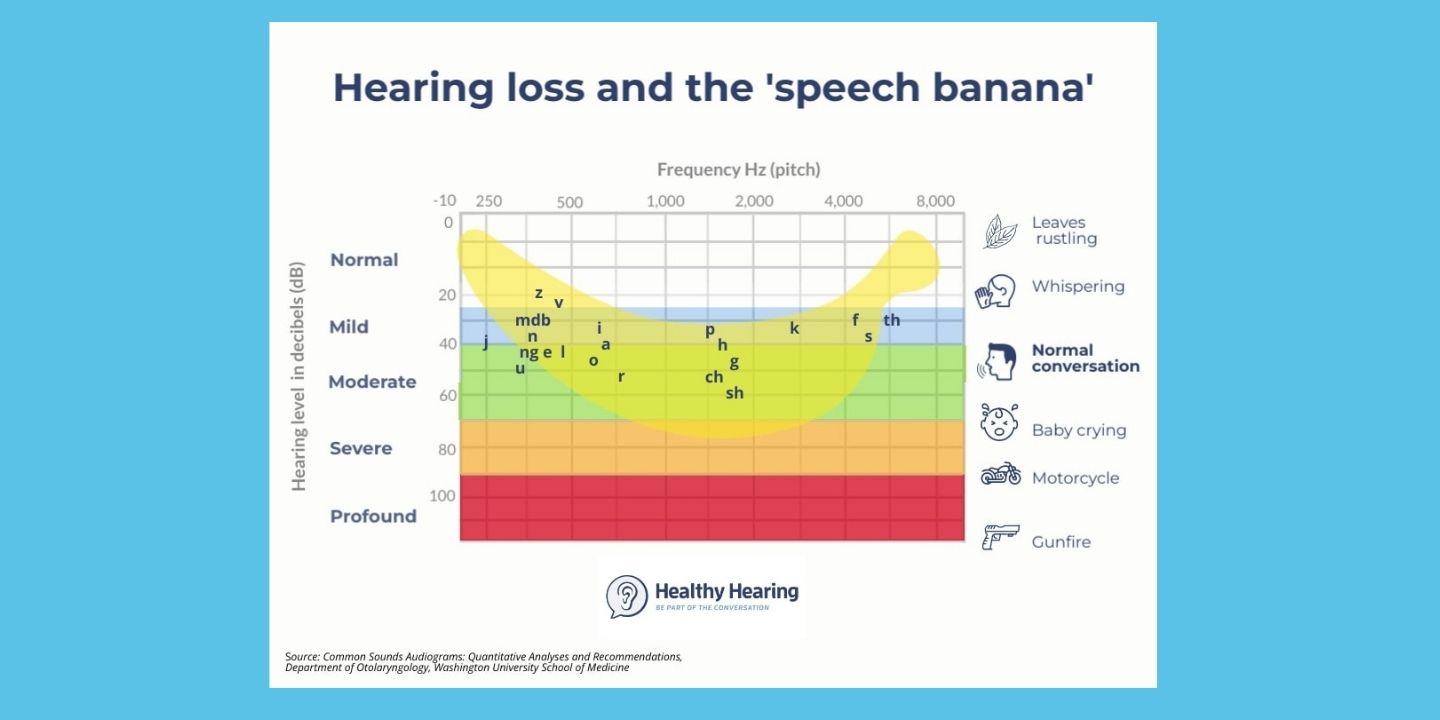
The final transformation where sound becomes creativity and connection.
The journey culminates as vibration becomes neural impulse—relayed through brainstem and midbrain to the temporal cortex.
Here, sound is integrated: it revives memories, sparks ideas, and fuels creativity.
Tomatis called this the "sacred place" where the creative Word takes form.
True listening opens us fully to the world—and to ourselves.
Experience the Tomatis®-inspired difference with NeuraSonic programs.